All you have to know about grapeseed oil
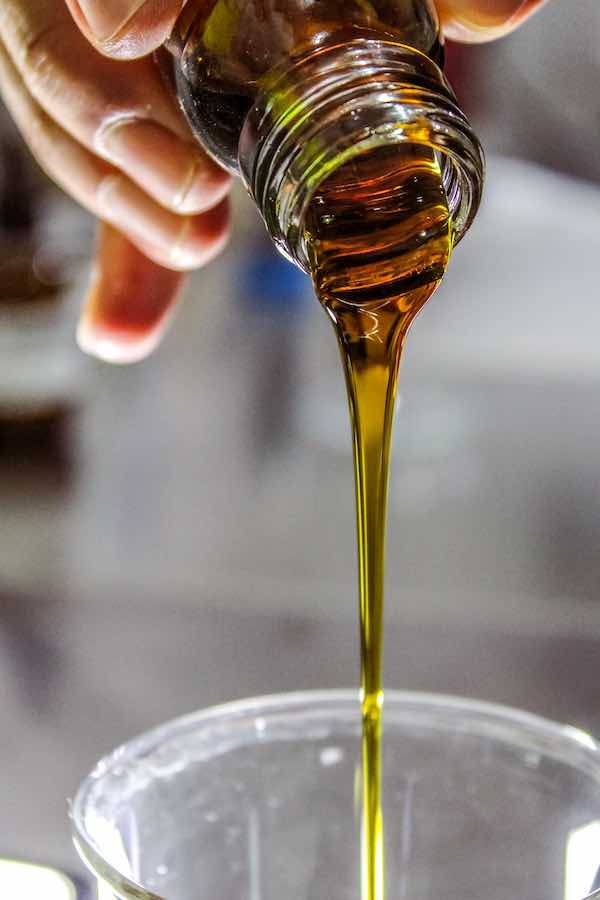
Grapeseed oil is a cooking oil that is made from the seeds of grapes. It is known for its light, neutral flavor and numerous health benefits. Grapeseed oil is a rich source of monounsaturated fats, which have been shown to have a number of heart-healthy benefits, including reducing the risk of heart disease and improving blood cholesterol levels.
In addition to its monounsaturated fat content, grapeseed oil is also a good source of polyunsaturated fats, including omega-3 and omega-6 fatty acids. These fatty acids have been shown to have a number of health benefits, including reducing inflammation and improving brain function.
Grapeseed oil is also a good source of antioxidants, which may help to reduce inflammation and protect against chronic diseases. It is a rich source of compounds called proanthocyanidins, which have been shown to have antioxidant and anti-inflammatory properties.
Grapeseed oil is also a good source of vitamins and minerals. It is a rich source of vitamin E, a powerful antioxidant that helps to protect the body's cells from damage. Grapeseed oil is also a good source of vitamin K, which is important for bone health, and vitamin A, which is important for eye health.
Grapeseed oil is widely used in cooking and has a relatively high smoke point of about 400°F-450°F, making it suitable for high-heat cooking methods like grilling and frying. It is also commonly used as a natural beauty product, as it can help to moisturize and nourish the skin and hair.
In summary, grapeseed oil is a nutritious and flavorful cooking oil that is rich in heart-healthy monounsaturated fats, polyunsaturated fats, antioxidants, and vitamins and minerals. Its numerous health benefits and versatility in cooking make it a popular choice for those looking to incorporate healthy fats into their diet.
Grapeseed Oil Nutrition Facts
Here is a table with the nutrition facts for one tablespoon (14 grams) of grapeseed oil:
| Nutrient | Amount per serving |
|---|---|
| Calories | 120 |
| Fat | 14 grams |
| Saturated fat | 1 gram |
| Polyunsaturated fat | 2 grams |
| Monounsaturated fat | 11 grams |
| Cholesterol | 0 milligrams |
| Sodium | 0 milligrams |
| Carbohydrates | 0 grams |
| Protein | 0 grams |
Grapeseed oil is a rich source of monounsaturated fats, which have been shown to have a number of heart-healthy benefits, including reducing the risk of heart disease and improving blood cholesterol levels. It is also a good source of polyunsaturated fats, including omega-3 and omega-6 fatty acids, which have been shown to have a number of health benefits, including reducing inflammation and improving brain function. Grapeseed oil is also a good source of antioxidants, which may help to reduce inflammation and protect against chronic diseases. It is a rich source of vitamins and minerals, including vitamin E, vitamin K, and vitamin A.
Pros and cons Of grapeseed Oil
Grapeseed oil is a cooking oil that is made from the seeds of grapes and is known for its light, neutral flavor and numerous health benefits. While grapeseed oil has many positive qualities, it also has some drawbacks that should be considered when deciding whether to use it in your cooking.
Pros of grapeseed oil:
- Rich in monounsaturated fats: Grapeseed oil is a rich source of monounsaturated fats, which have been shown to have a number of heart-healthy benefits, including reducing the risk of heart disease and improving blood cholesterol levels.
- Good source of polyunsaturated fats: Grapeseed oil is also a good source of polyunsaturated fats, including omega-3 and omega-6 fatty acids, which have been shown to have a number of health benefits, including reducing inflammation and improving brain function.
- High in antioxidants: Grapeseed oil is a good source of antioxidants, which may help to reduce inflammation and protect against chronic diseases.
- High smoke point: Grapeseed oil has a relatively high smoke point of about 400°F-450°F, making it suitable for high-heat cooking methods like grilling and frying.
- Light, neutral flavor: Grapeseed oil has a light, neutral flavor that does not overpower other ingredients, making it a good choice for dishes where you want the flavor of the other ingredients to shine through.
Cons of grapeseed oil:
- Expensive: Grapeseed oil tends to be more expensive than other types of cooking oils, making it less budget-friendly for some people.
- Lack of flavor: While the light, neutral flavor of grapeseed oil can be a benefit in some dishes, it may not add much flavor to others.
In summary, grapeseed oil is a nutritious and flavorful cooking oil that has a number of pros, including its rich monounsaturated fat content, good source of polyunsaturated fats, high antioxidant content, high smoke point, and light, neutral flavor. However, it also has some cons, including its higher cost compared to other types of cooking oils and lack of flavor that may not be suitable for all dishes. When deciding whether to use grapeseed oil in your cooking, it's important to weigh the pros and cons and consider how it fits into your overall diet and budget.